A long, long time ago, I was an 18-year-old college student. I had no husband and children, no job, no money, and no real responsibilities except going to class and doing my homework. I planned to get a degree in something practical and lucrative so I could get a good job, travel, and make a lot of money. Maybe when I was 40 I would settle down and have a kid or two (max).
And yet things didn’t go as planned, and I found myself drawn to old books written by long-deceased philosophers who had no idea about all the things we use to measure success today. The key to life, so many of them said, isn’t getting a good job or making a lot of money, but rather obtaining this seemingly simple end:
“Know Thyself.”
The idea that you could be stuck with yourself from birth but not know yourself was striking and intriguing. How could you not know yourself? It sounded very deep and philosophical, but what were the implications? What does knowing yourself have to do with so-called real life? And, you’re probably asking, what in the world does any of this have to do with postpartum exercise?
As time has gone on, I’ve realized self-knowledge is key for so many aspects of life, including getting back in shape after you’ve given birth (or really any time).
But lest I come off as overly abstract and philosophical, here are 6 specific things you need to know about yourself in order to make any kind of physical or mental progress after giving birth:
1. You Need to Know Where You Are
You’ve got to start somewhere, and the only place to start is right where you are. It’s important to take some time to simply assess how your body and mind stand right now—not in comparison to any other time or any other version of yourself. Who am I, today?
Chances are if you had a baby recently, you might feel pretty weak and vulnerable. Maybe you had complications during delivery that you need to discuss with your doctor. Or maybe you think you feel great and ready to jump into things, but once you sit down and think through the details you realize you have some areas to work on.
Some questions to ask yourself to figure out where you stand physically:
- Are you still bleeding?
- If you had a c-section, is your incision still healing?
- If you had stitches, are they still healing?
- Have you had problems with incontinence of any kind?
- Do you have significant abdominal separation or pelvic floor weakness?
- Are you still taking pain medication?
If you answered “Yes” or “I have no idea” to these questions, it would be best to discuss exercise with a medical professional before proceeding. (And frankly, it would probably be best to wait at least another month before you start anything more rigorous than a brisk walk.)
If you’re beyond the more immediate postpartum period, you answered “No” to those questions and are physically ready to start thinking about exercise. But even then, it’s helpful to assess where you are physically and emotionally, as well as how things are going with your baby. Is feeding going well? Do you feel overwhelmed, depressed, or constantly drained? How is your diet? Are you getting enough sleep and drinking enough water?
Setting goals for the future is all well and good, but it’s pretty pointless if you don’t have your bearings. You might also realize there are other more important things to dial in before you even start thinking about exercise.
2. You Need to Know What You Have
Don’t fall into the trap of thinking you need fancy equipment, expensive workout clothes, or even a gym membership to start making a change. Instead, assess what you already have on hand to help you ease back into exercise.
For example, I can think of three resources most of us probably already have:
- 20 minutes of free time
- A body capable of locomotion
- The ability to measure time and distance and record metrics
These three things are all you need to make an amazing start to getting back in shape after having a baby: Walking 20 minutes per day.
I know, I know, that’s not very epic or exciting. Or at least that’s what I thought when my husband suggested I do it. But despite how boring it sounded, two weeks after our seventh child was born four months ago, I made a commitment to walk twenty minutes every morning. I can’t express what a huge improvement I’ve experienced in my physical well-being and emotional state after making this commitment, and it required so little. (And probably not coincidentally, this has also been the easiest recovery I’ve had of all seven kids).
If you are a mom of young kids, I know a 20-minute walk can seem impossible since you have to pack up all the kids and take them with you. I have one other resource (or really, a luxury!) – older kids capable of babysitting while I go on a walk – so it was easy for me to make this happen. My husband was also a huge help and made sure that I prioritized my walk every day, even when he was out of town and couldn’t drag me out of bed.
My point is, don’t forget to also consider what help you have (or don’t have), and try to make a realistic plan that takes that into account.
3. You Need to Know Who You Want To Be
I had a striking realization a few years ago. This was during a time when my kids were young and my husband and I were both working and sort of in the trenches. I was starting to let myself go and feeling frustrated with my physical state and overall lack of energy and motivation.
One day I was at the park with my kids and I saw this older couple. They had biked to the park with five kids probably under the age of seven or eight (including a toddler in the bike trailer). Not only were they smiling and laughing, but they looked like they were having so much fun. I would say they were probably in their sixties, but they looked so much younger than I felt at that moment.
I thought to myself, “Wow, I want to be like that when my kids are grown and I have grandkids.” And then I had the sudden realization that I didn’t have much time – that before I knew it, that would be me. And if I kept avoiding the work I knew I needed to do to get on that track, it would be so very easy to fall off.
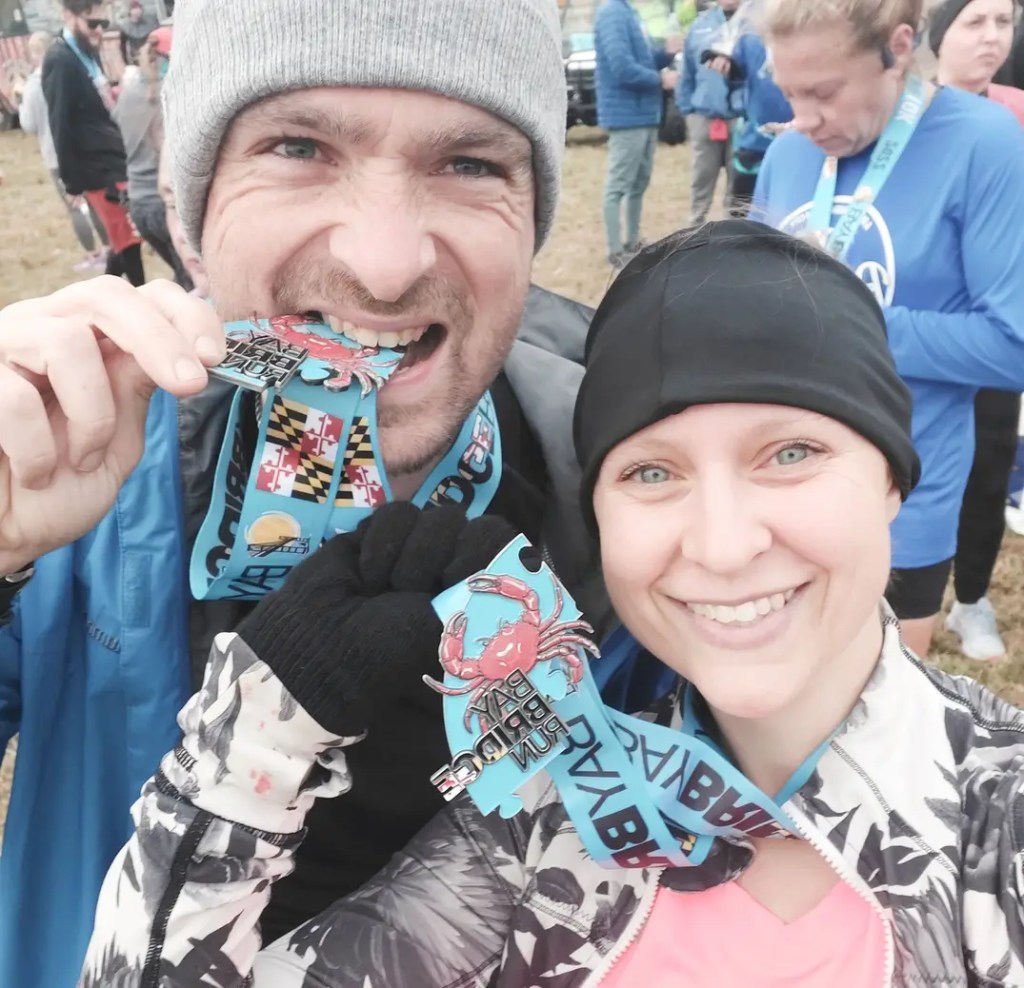
That couple and their energy have remained ingrained in my mind ever since. I think about that moment and remember the feeling of knowing exactly the kind of person I wanted to be in thirty years. If I want to be the kind of grandparent who is running half-marathons with her adult kids and biking the grandkids to the playground, that starts today.
It’s important to know where you are, and it’s also important to keep in mind who you want to be and use that to inform your goals. Create a picture in your mind, and make it as vivid and real as possible – a picture of who you want to be next year, in five years, or in a few decades.
4. You Need to Know What Motivates You (and What Doesn’t)
Working out is not always fun or exciting. There’s just no way around it, especially after you’ve had a baby. If you weren’t in the habit of exercising before pregnancy, it’s probably going to be even harder to be consistent and establish a routine. To combat this obstacle, you need to know what motivates you to exercise.
This sounds simple but it isn’t always easy to figure out. For example, for one person following a bunch of fit moms on Instagram might be an inspiration, but it might cause another person to wallow in self-pity and probably ice cream.
We all have days when we just don’t want to do the things we know we need to do, whether that’s working out, finishing a work project, or doing the laundry. Understanding your own motivation can mean the difference between being able to get out of a slump and falling off the bandwagon completely.
5. You Need to Know Your Limits
So you’ve decided you want to get back in shape after not exercising at all in the last ten years, even though you were pretty athletic as a kid. You’re feeling really excited and decide you want to run a half-marathon. Why not?! So you go online, Google “half-marathon training programs”, and download a great plan that has you running six days a week.
Probably not a great idea.
That might sound like an extreme example, but it’s crazy to see all the “postpartum challenges” that continue to circulate on the internet but are completely unrealistic and potentially harmful for new moms because they disregard the body’s state after giving birth.
So often our society tells us to try to be limitless, but I think what’s more important (and realistic) is to listen to your limits. Remember they are what allow for growth in the first place. You can’t push beyond your current limits unless you see them for what they are.
6. You Need to Know Your Potential
A few years ago I was talking to my daughter about ballet. We were discussing how amazing a particular dancer was and admiring the general athleticism and beauty of ballet.
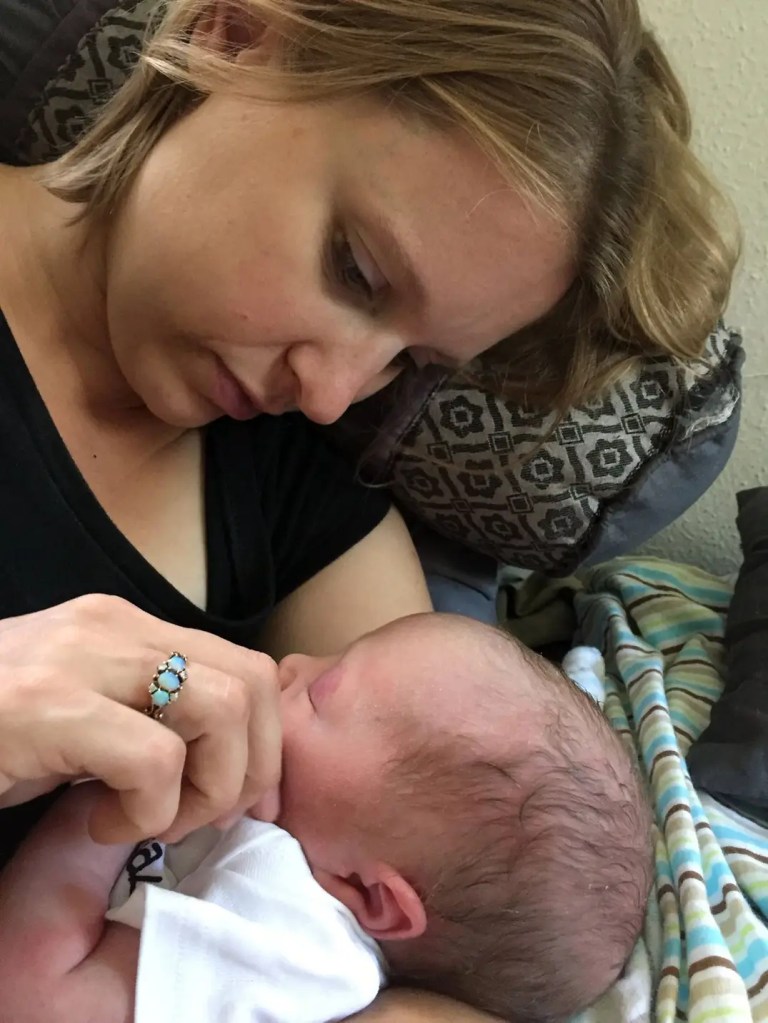
And then she said something I didn’t expect: that the most amazing physical accomplishment she had ever seen was when she was present for the birth of her siblings. Childbirth was the most powerful physical feat of strength she had ever seen. I was just a few months postpartum at the time, and this blew me away.
It’s easy when you’re just starting out to feel pretty vulnerable and even overwhelmed at the thought of ever getting “back to normal” after having a baby. But what if we shifted our thinking? What if instead of trying to get back to some magical state we were in before kids, we acknowledged the incredible feat our body has accomplished: bringing a new person into the world.
That feat is absolutely remarkable and more noteworthy than any PR. On the days you feel out of breath, out of shape, out of time, try to take a step back and recall that a tiny little person came out of you. Your body has tremendous potential to do amazing things. With patience, consistency, and a plan that takes into account who you are, what motivates you, and where you want to go, you’ll get there.
“Know Thyself.” Turns out it’s a pretty practical maxim after all. (Someday I’ll write an article about how my philosophy degree ended up being practical, too…but not today).
What has helped you get back in shape postpartum?


Leave a reply to lynn granda Cancel reply