“A human being should be able to change a diaper, plan an invasion, butcher a hog, conn a ship, design a building, write a sonnet, balance accounts, build a wall, set a bone, comfort the dying, take orders, give order, cooperate, act alone, solve equations, analyze a new problem, pitch manure, program a computer, cook a tasty meal, fight efficiently, die gallantly. Specialization is for insects.” -Robert Heinlein

I’ve heard educators use the term “parking lot talk” to describe the inaccurate narratives that sometimes spread among parents. Often these concerns arise because parents are afraid that their child will not have an edge in a competitive world. This sort of fear can take on many forms, but the result almost always results in a drive towards specialization. If my child shows some acuity in ballet, we should capitalize on that ability and invest in it with the confidence that there will be a meaningful return on investment later. If my child is fast, he or she should be a track athlete. Maybe if my kid plays video games all day it could somehow become a marketable skill! Did Johnny get good grades in math or science? Definitely supposed to be an engineer.
The logic here is that if we can find where my child’s hidden genius lies and then push hard in that area, whether it be mathematics or basketball dribbling skills, he or she will have the best odds of turning that skill into money later on down the line. This bizarre weight is placed on everything from extracurricular activities to school. Anything less than a relentless, obsessive drive in the area their parents have invested so much time and money in becomes a moral failing.
There is, of course, an entire market based on this fear and guilt. Not many years ago, a student athlete might play three or four sports across a calendar year. Now, if your child wants to be competitive in hockey, he plays hockey all year long. He goes to camps, joins travel teams, belongs to clubs. He has a job, and it is called hockey. Each opportunity promises to help your child stay ahead of the curve…just like it will for every other kid who is running on the same hamster wheel.
The problem is, when children associate an activity or skill they love with guilt, they can grow to hate it.
Unfortunately. it’s become much more difficult to find activities for your child that are both serious but not “pre-professional”. You can join programs that are extremely low level or jump on the pre-professional track, but it’s rare to find options between these two extremes. If your child loves soccer and wants to play competitively, but you’re not interested in spending thousands of dollars and twenty hours a week on it, it’s hard to find a home.
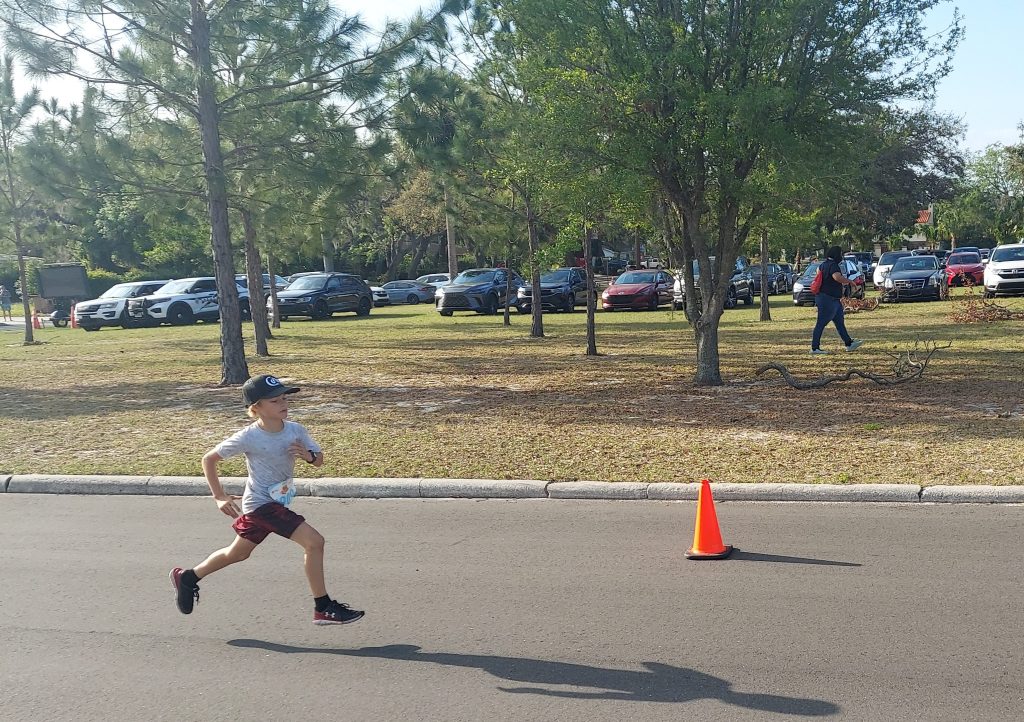
When we step back and look at the situation with a pinch of objectivity, we can quickly see how insane this perspective truly is, for a number of reasons:
- The odds of your child taking his or her activity to a professional level are essentially zero. Parental hubris is real. We see how great our kids are, and we believe that with the right coach, training plan, and discipline anything is possible. But this is not always true or responsible.
- Being a pro athlete, dancer, or musician is often not a proven path to happiness. And at the end of the day, that is what we want for our children, isn’t it? True happiness.
- Few people pursue their childhood interests as a career. In fact, famously, the majority of people don’t even have a career related to what they studied in college.
- The purpose of math, basketball, violin, running, or any other activity is to help your child flourish, not cultivate a career. Should our kids play sports, go to science camps, and join orchestras? Absolutely. But we need to unhook these wonderful experiences from the professional leash.
- Kids (and adults, for that matter) should focus on their weaknesses. The greatest gift you can give a child who loves to read and has identified themselves as not being a “math person” is to help them fall in love with math. Likewise, it is a tremendous blessing for a kid who loves math to find a moment in history or a work of literature that sparks a new interest. Cross country kids should lift more weights. Lifters should do more endurance training. And so on.
At the end of the day, what makes us human, and certainly what is most essential in childhood, is being a generalist. David Epstein, the author of Range, writes, “Our greatest strength is the exact opposite of narrow specialization. It is the ability to integrate broadly.”
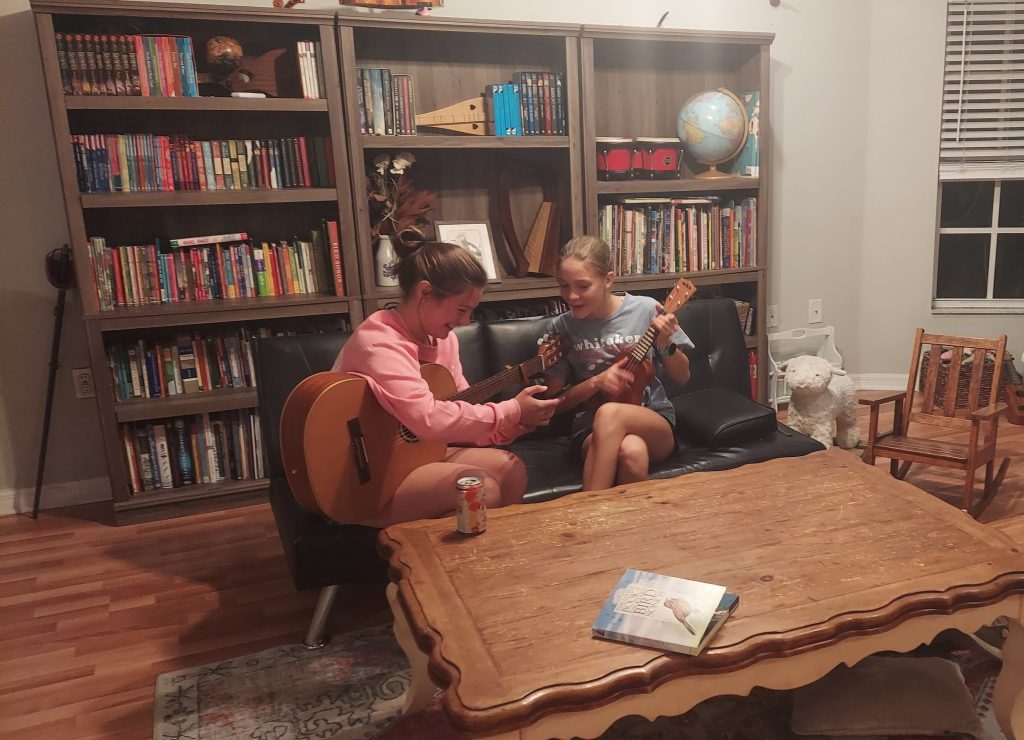
Ironically, even if we did want our child to be genuinely brilliant in one of these interests, we would still want them to develop a generalist base. Epstein writes, “The sampling period is not incidental to the development of great performers — something to be excised in the interest of a head start—it is integral.” In other words, the larger the base of the pyramid, the higher its tip can reach.
I’ve been shocked by how many athletes are being trained to perfect specialized skills when their fundamental movement patterns, strength levels, power, flexibility, or mobility are limited or even dysfunctional. Anyone on a baseball team should be able to perform a correct squat.
Likewise, it’s wild to see kids who have mastered high levels of mathematics but cannot identify the meter of a sonnet.
On the other hand, the attempt to cultivate your child as a generalist will feel dangerous. “The most effective learning looks inefficient; it looks like falling behind,” Epstein observes. What we must remember is that trial and error are essential to growth and learning. The process of play, experimentation, failure, and success is the only route to growth. As Epstein puts it, “Tolerating big mistakes can create the best learning opportunities.” As parents, this tolerance usually doesn’t come easy. It’s uncomfortable to watch your child struggle with a sport, a math problem, a grammar concept. But we have to learn to tolerate failure.
What do you want for your child? A good education. A good job. A secure future. I would posit that all of these good things are just code words for happiness. What is this education, job, security for? Why do we want these things for our kids? Because we believe that happiness is most likely if our child acquires them.

The Future Is Generalist
Some time ago, educator and author Peter Drucker noted, “Since we live in an age of innovation, a practical education must prepare a man for work that does not yet exist and cannot yet be clearly defined.” Nothing could make more sense in our current time, with the rise of automation and particularly artificial intelligence.
As AI begins to shift the landscape of work and employment, it’s important that we examine what makes humans unique. Human beings are generalists, and this generalist character is one of the clearest lines between what AI can do and what is sovereign to humanity. Raising our kids to be generalists will have even more benefit in a future that is increasingly dominated by this radical and fundamentally inhuman specialization.

Leave a comment