When it comes to food, there’s nothing I love more than a not-quite-medium-rare steak that’s seasoned just right and cooked over real fire. That said, for various reasons, our family transitioned to an approximately 97% plant-based diet over six months ago now. We hadn’t exactly intended to make this change, but it turned out the more plant-based foods we ate, the less money we spent and the better we felt.
To be clear, we do not consider ourselves strict vegetarians. Food has always been an important part of our family life, and goodness knows, we’ve tried a lot of diets in our seventeen years of marriage. We’ve come to appreciate different aspects of all these diets – from paleo, to Weston Price, to keto.
That said, we don’t consider ourselves to be adherents of just one of these food ideologies, including vegetarianism or veganism. We still eat meat on Sundays and feast days, as well as when we have company or visit someone else’s home. However, now we eat much smaller servings of higher quality meat than we used to.
Although we’ve dabbled in many diets through the years, this change to a whole-food, primarily plant-based diet has made a huge difference in our family’s day-to-day life. Here are five of the benefits we’ve seen since we shifted our focus to whole-food, plant-based eating.
1. Better Energy
I typed “More Energy” at first, but then I changed my mind. I wouldn’t say I have more energy on a plant-based diet. That would be miraculous, but it would also be a lie. I still get tired around 9 pm, and I often take an afternoon nap.
But during the day, my mind feels clearer when I eat more plant-based foods. I don’t have brain fog, and I’ve cut down my coffee intake from 2 or 3 cups to 1, occasionally 2. I also have a much easier time convincing myself to follow through on my workouts during the week, which has been a challenge previously, especially during the first year postpartum (our youngest is now 9 months).
2. New Skills
When Peter and I got married 17 years ago, I had no idea how to cook. In our first year of marriage, I left a pot of water on the stove so long that all the water burned off. Then the bottom of the pot proceeded to burn, which set off the fire alarm in our tiny Belgian studio apartment that was connected to at least six other studios. I had officially burned water (and almost burned down the apartment building).
Or there was the less dangerous time I decided to try my hand at homemade marinara sauce and thought a clove of garlic meant the whole head. In the end, I opted for a jar of Ragu.
I digress. What I meant to say was, I had no idea how to cook anything when I got married 17 years ago. And then, just when I started to feel comfortable with this whole cooking thing, we decided to eat more plants. I found myself cooking in a way that was totally new to me, doing things like using ground up cashews in tomato soup, substituting “soyrizo” for my beloved chorizo, and blending 10 different veggies to make a lasagna filling.
And most surprisingly, we actually enjoyed the food!
It was a little intimidating at first – just like it was cooking that hot water so long ago. But we’ve all learned a lot just in the short time we’ve been eating this way and continue to be amazed at the versatility of plants in the kitchen.
3. Less Snacking
If you’ve been following along, you probably caught on to the fact that we are on a mission to curb snacking. Since we went plant-based, I am happy to report that snacking has significantly decreased. When we do have snacks, they’re usually fruits, vegetables, or other whole-food options.
This was surprising for me, but it makes sense. A well-balanced, plant-based diet has a ton of fiber, which is more filling than your usual “empty calories”. Whereas before our kids wanted to eat pretty much every 90 minutes, now we go at least 2.5 hours between meals and snacks, usually without complaining.
4. Increased Savings
One of the initial reasons we decided to eat less meat was to save money, and the savings have definitely increased as our meat intake has decreased. This makes sense when you consider the price per pound for produce compared to meat, but it still surprises me. We consistently spend an average of $250-280 per week on groceries, which is pretty good for a family of nine.
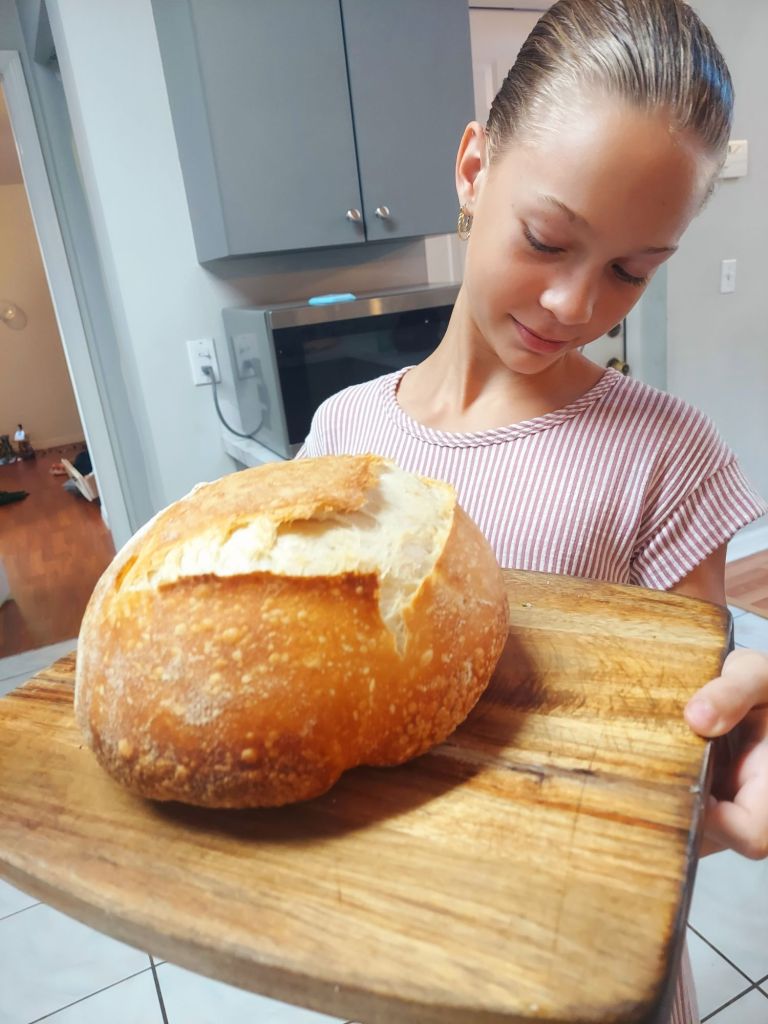
In addition to cutting out meat, our amazing 13-year-old daughter has mastered the art of making delicious sourdough products of all kinds, including bread and tortillas. This means we eat bread products less often, but the quality is so much higher, and the cost is minimal.
5. More Flavor
How is this possible? I’m still surprised every time I eat our favorite vegetarian lasagna or meat-free lentil shepherd’s pie. We even enjoy homemade veggie burgers almost as much as the alternative (and I love a good Angus beef burger).
This is especially true of the vegan recipes we’ve tried. I’ll admit, once upon a time I scoffed at the idea of a vegan burger or meat-free chili. But the new ingredients we’ve learned to cook with – most notably, nuts, beans, legumes, and vegetables – have a depth of flavor that none of us anticipated.
What Does It Look Like? Where Do I Start?
If you’re like me, you might be wondering what eating this way actually looks like on a daily basis. Before we switched to this way of eating, I had a hard time imagining life without meat. So here’s a sample weekly meal plan for our family of nine, with links to some of the recipes we love:
You probably notice we eat some repeat meals. That’s because they’re easy to make and enjoyed by all! Every month or so, we usually rotate these meals. For example, right now, we’re enjoying oatmeal for breakfast and soup for lunch because the weather is cooler, but in the summer, we eat more parfaits in the morning and beans and rice or salads for mid-day meals.
In addition to our three meals per day, we always have a few snacks – kale chips, energy balls, smoothies, hardboiled eggs, or yogurt parfaits are some our favorites. And we still eat meat on Sundays and feast days we celebrate in our home, although we eat much smaller servings of higher quality meat than we used to.
I’ve also drawn a lot of inspiration from websites, YouTube channels, and especially cookbooks. For some reason, having a print copy of a cookbook helps motivate me to try new recipes much more than web-based resources. Here are some of the cookbooks that have helped us most with this transition:
Top 3 Cookbooks
- Love Real Food – I bought this months ago and use it on an almost-daily basis. Our favorite recipes include the pancakes, tikka masala curry, and West African peanut soup.
- The Vegan Instant Pot Cookbook – I love my Instant Pot and use it multiple times per day. This cookbook is a must-have for Instant Pot plant-based cooking. Some of our favorite recipes include the lentil, kale, and sausage soup and the vegetable broth, which we make a few times per week.
- Simple Feel Good Food – This one is a great option for people who like to prep meals in advance. We make the tomato soup and stovetop granola on a regular basis.
Perhaps our favorite thing about eating this way is how simple it is. Recipes take half the time to cook since you don’t have to worry about undercooking meat. Once you’ve mastered a few basic techniques and processes, it’s easy to either work meal prep into your day or do it in advance. You can make a ton of meals with different flavor profiles that require a minimal list of groceries.
More than six months in, we can say with confidence that if you’re looking for simplicity, flavor, affordability, and ease – plants are as good as it gets!
If you eat a plant-based diet, we’d love to hear your advice and favorite recipes/resources, so please share them in the comments below!

Leave a comment