There are some words in the English language that seem to carry more weight than others. These words, when uttered or even just thought in the deepest recesses of the human mind, have the ability to generate an unquenchable desire for what they represent.
There are many such words, but I believe one of them is unusually powerful, due to the strange sway I’ve seen it have over my children (and yes, I will admit, even myself).
That word is: “Snack.”
This strangely potent word has been one of the first to emerge for at least six of our seven children (the seventh is only four months old, so whether it will continue to cast its enchantment remains to be seen).
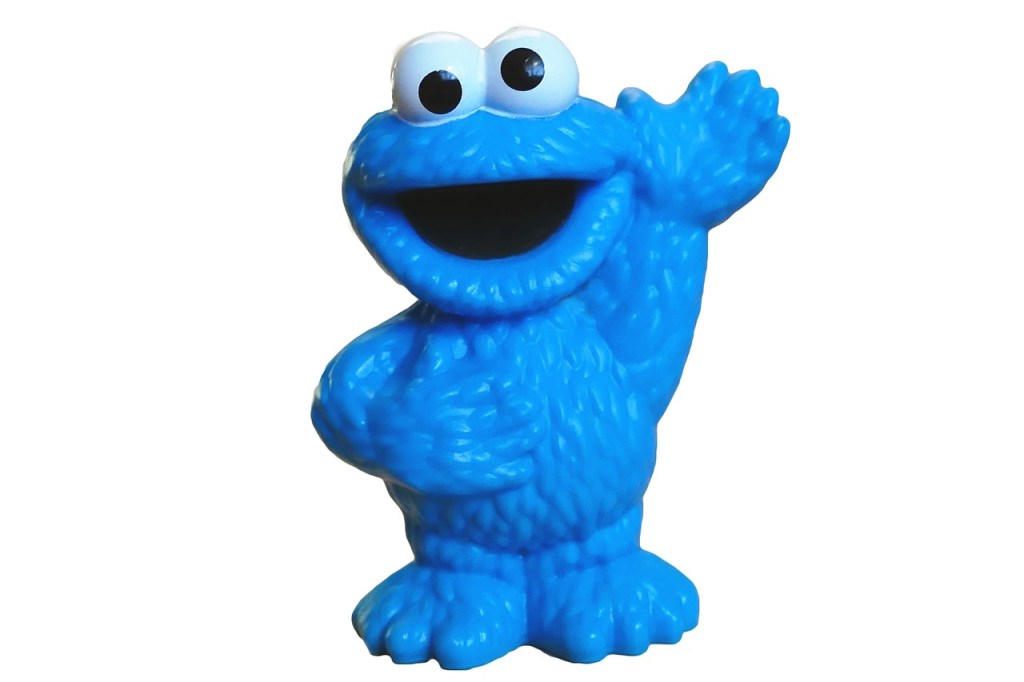
The snack food industry is well aware of its power and takes every chance it can get to summon the power of that horrendous being I will call “the Snack Monster.”
For example, here’s a telling tidbit from a market analysis of leading snack food companies:
“Consumers prefer their food to be easy to carry and quickly accessible, making snack food the best option. Witnessing the sudden upsurge, manufacturers eventually launched products enriched with protein, vitamins, and nutrients, giving consumers on-the-go nutrition while snacking. Healthy alternatives have emerged on the market as a result of consumer desire for options for low-fat, low-sugar, and high-protein snacks. Functional snacking is gaining more importance these days as people are replacing their meals with snacks and need proper nutrition through snacking.” [Emphasis mine]
The article says that the snack food industry brought in approximately $256.26 billion in 2023 — and that it expects to increase that number to $559.26 billion in the next five years.
For many years – a decade, in fact – my husband and I fell for these sly marketing techniques. Snacks slowly began to intrude into every moment of the day, and we felt we couldn’t resist the power of the words, “Can I have a snaaaaaaack??”
Before long, the Snack Monster held such power over our family’s food planning and budgeting that I allowed it to lure me into ridiculous situations, such as paying $5 for a “Snack Pack” of various finger foods that would otherwise cost approximately $1.36 (including a storage container).
However, I’m happy to say that as the years have gone on and we’ve come to recognize the foolishness of our ways, we’ve found strategies to combat the irrational side effects this word can cause.
This blog post is not intended to cast any sort of judgment on snacks or people who eat them, and I would emphasize that snacks are not evil in and of themselves. This article is simply a testimony to one couple’s attempt to free themselves from absurd snacking habits that had simply gone too far.
The Struggle
Through our years of being married, Peter and I have had an ambivalent relationship with snacks. As a young married couple on a shoestring budget, we obtained an unusually high resistance to the Snack Monster during our first year of marriage. However, once children came along, we fell into the old ways that I’m sure we also had as toddlers.
Before we knew it, we were purchasing expensive, pre-packaged snack foods for our young daughter, even though we could barely afford our weekly groceries. Something about the almost crazed look she got in her eyes when she asked for a “nack” was oddly disarming. And we knew that if we gave in just this once, the snack may have the power to prevent tantrums, stop tears, and give us a brief moment of peace.
This temptation (and the number of snacks we had on hand at any given time) only replicated as the children continued to be born. Before we knew it, we had five children, and all of them wanted snacks. All the time.
We knew the snacks were too much. We knew we spent far too much money buying snacks and far too much time handing them out. But the word continued to enchant us all. Until one day…
The Spell Is Broken
…something remarkable happened. As was my habit, I was complaining about how many snacks our children had consumed in a matter of hours. I was lamenting how quickly the snacks had disappeared from the pantry when I had JUST GONE GROCERY SHOPPING YESTERDAY!
And then, as if inspired by a heavenly light, our eldest child, around twelve years old at the time, said these words:
“Maybe we should stop buying so many snacks.”
It was as if a fog had been lifted. Brilliant, profound, incredible insight! I was astonished at her nascent wisdom. (Never mind that she was eating a snack as she said it.)
And long story short, that is what we did. We simply stopped buying snacks. In fact, we challenged ourselves to not buy any snacks for a week.
Lest you think this is an easy task, let me clarify what fell into the category of “snacks”:
- Chips
- Fruit snacks
- Those squeeze-pouch fruit purees that calm toddlers (and make disgusting messes)
- Rice cakes
- Veggie straws
- Trail mix
- Cookies of any kind (including “healthy” options like graham crackers)
- Pretzels
- Crackers of any kind (including the toddler’s favorite, Goldfish)
- Granola bars
- Popcorn (pre-packaged or microwave)
We were allowed only one sort of snack during our trial week: Fresh or dried fruits and vegetables.
I wish I could say the week was easy and that I was never tempted to run to the store and buy a bunch of snacks, but that would be a lie. It was remarkably difficult to go a full week without any snacks.
But in the end, we did it. We proved to ourselves that we could, indeed, live without the pre-packaged, processed convenience foods otherwise known by the magical word, “snacks.”
What We’ve Learned
Since that fateful day, I’m happy to say that while we certainly have eaten snack foods on many occasions, they’ve become less and less of a staple item in our regular shopping. Which is wonderful, because when we do get snack foods it’s a real treat and we don’t need much to feel satisfied.
Here are some occasions when we buy snacks in limited amounts:
- Road trips
- Dance competitions or long performance days
- Beach days
- Times when we have visitors
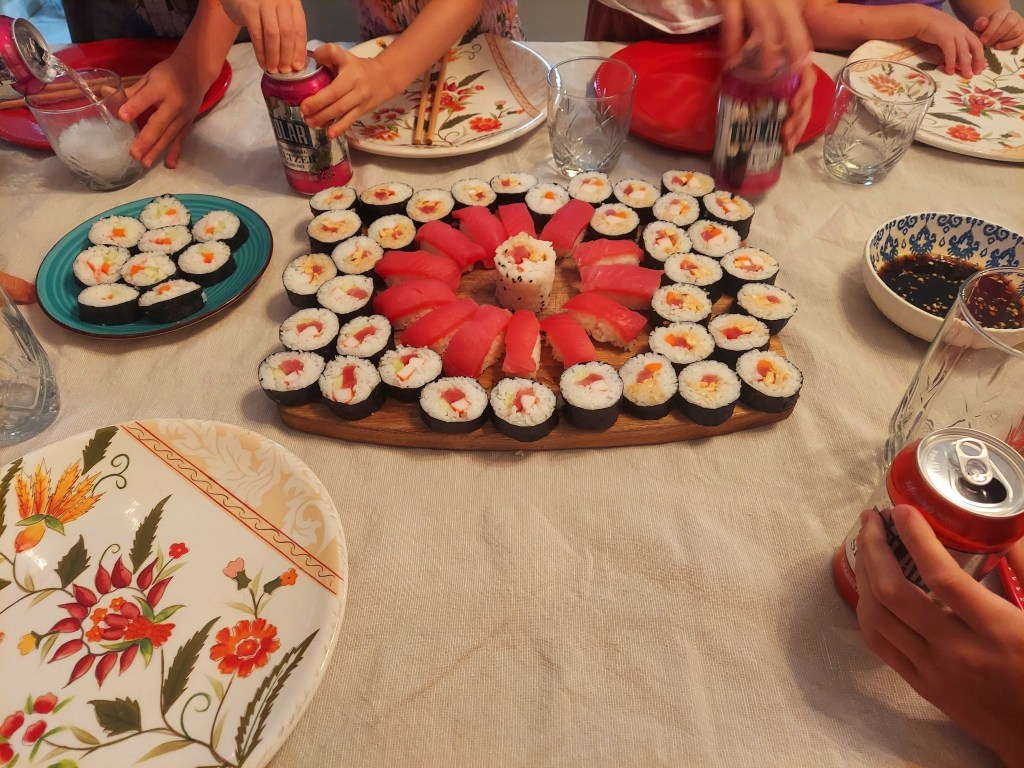
Other than that, we really don’t buy processed snacks any more. If we eat between meals, we might have a smoothie, a piece of fruit with nut butter, veggies with homemade hummus, yogurt, a hardboiled egg, homemade sushi or spring rolls, or a seltzer water. Technically these are snacks too, of course. But for some reason the fact that they’re not labeled “snacks” or sold in bright, alluring packages featuring cartoon bears or fish makes them cheaper and also much less likely to be consumed in irrational quantities.
We’ve had two more children since that day, but I’m happy to report that’s it gotten so much easier to cut out the snacks. I think a big reason is that we’ve seen firsthand how much better off we are without the snack foods. Here are a few of the benefits we’ve experienced:
1. We eat a more nutrient-rich diet
The average American gets almost a quarter of their daily energy intake from snacking – the same amount as one full meal. That’s a pretty sizable percentage. Since we stopped buying snacks, we’ve replaced that 25% with fruits, vegetables, or hydration. I’ve noticed a huge improvement in my own energy levels, as well as the kids’. I don’t suffer from mid-afternoon “crashes” that I used to experience every day, and I give the credit to better hydration and increased fruit and vegetable intake.
2. We spend less money on groceries
I was shocked at how much money I saved on that first grocery store trip with no snack foods, especially because all that time, I thought buying processed snacks had been saving us money. Just by not purchasing our typical snacks (veggie straws, Goldfish, rice cakes, graham crackers, tortilla chips to name a few), we saved about $20 per trip, or $40 per week since we usually shopped twice per week.
Considering how much healthier our diet was after cutting out processed snacks made the huge amount of savings even more exciting. When you step back and think about it, buying a 3-lb bag of organic apples that costs less than you spend on a bag of Doritos is a no-brainer. But the Snack Monster is powerfully deceiving, so we fall into its snare. We spend more money on the chips, eat the chips, and feel like crap. It’s a vicious cycle, but it can be broken!
3. We don’t hear our kids say “Can I have a snack?” once an hour
It’s so nice to not have to constantly be thinking about snacks. There are long stretches of the day now when the kitchen isn’t even in use, whereas before it seemed like there was always someone ransacking the pantry looking for snacks or lamenting the fact that there weren’t any left.
Everyone seems to be generally more content and even-keeled without the snacky foods. It’s like we all needed to know that yes, it is possible to go more than two hours without eating a snack. In fact, it’s probably better for you.
We still enjoy snack foods every once in a while, and they definitely come in handy when we’re on the go. But for the most part, we don’t miss them, and everyone’s better off.
So if you’re also battling the Snack Monster and can’t seem to see the light of day, be of good cheer. There is hope. You, too, can defeat the Snack Monster by taking that seemingly simple first step: Just stop buying so many snacks.

Leave a comment